 Illustrations by Victoria Kim & Polina Grechushnaya, courtesy of TripleTen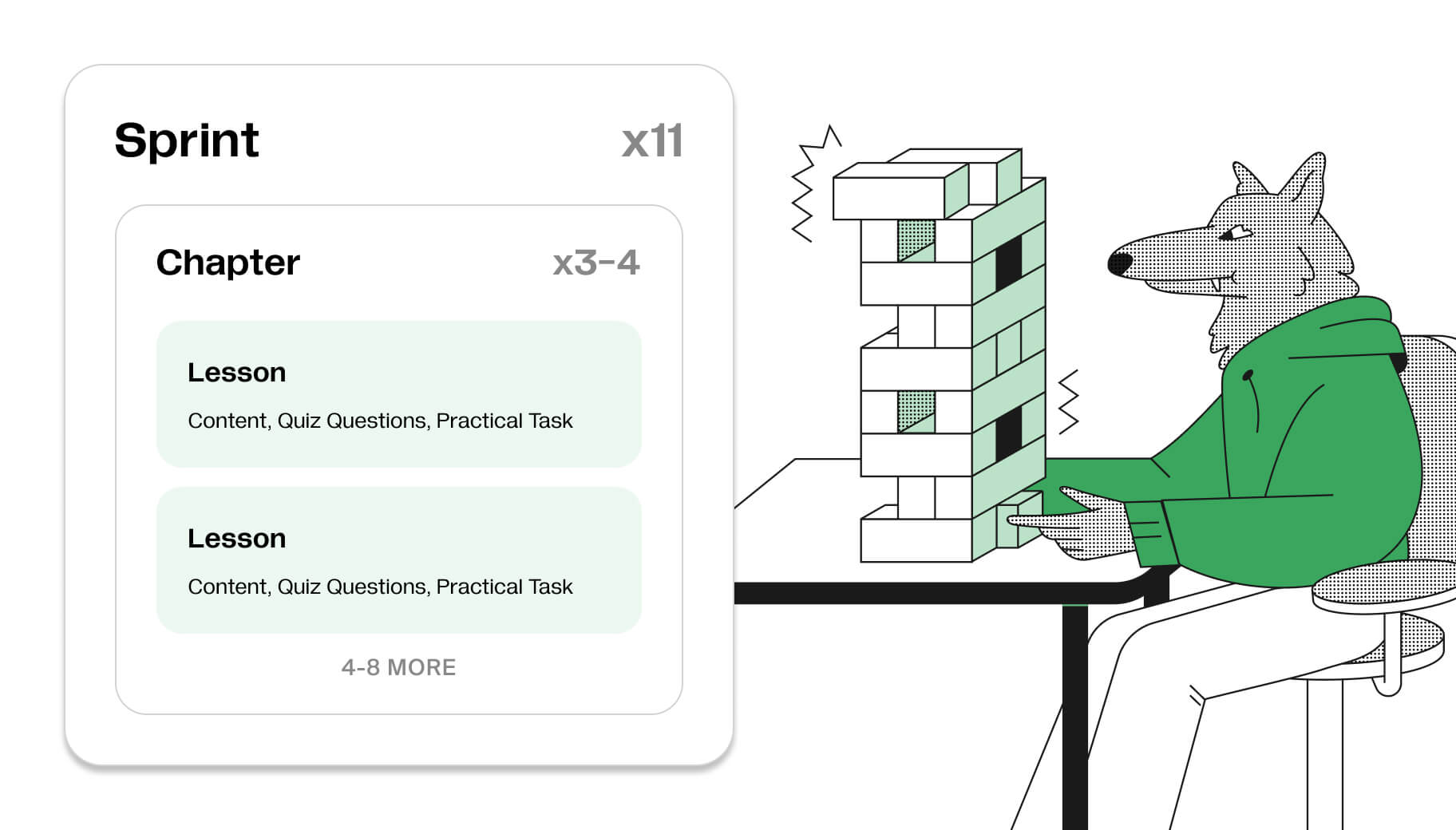
Structuring a Design Education from Scratch
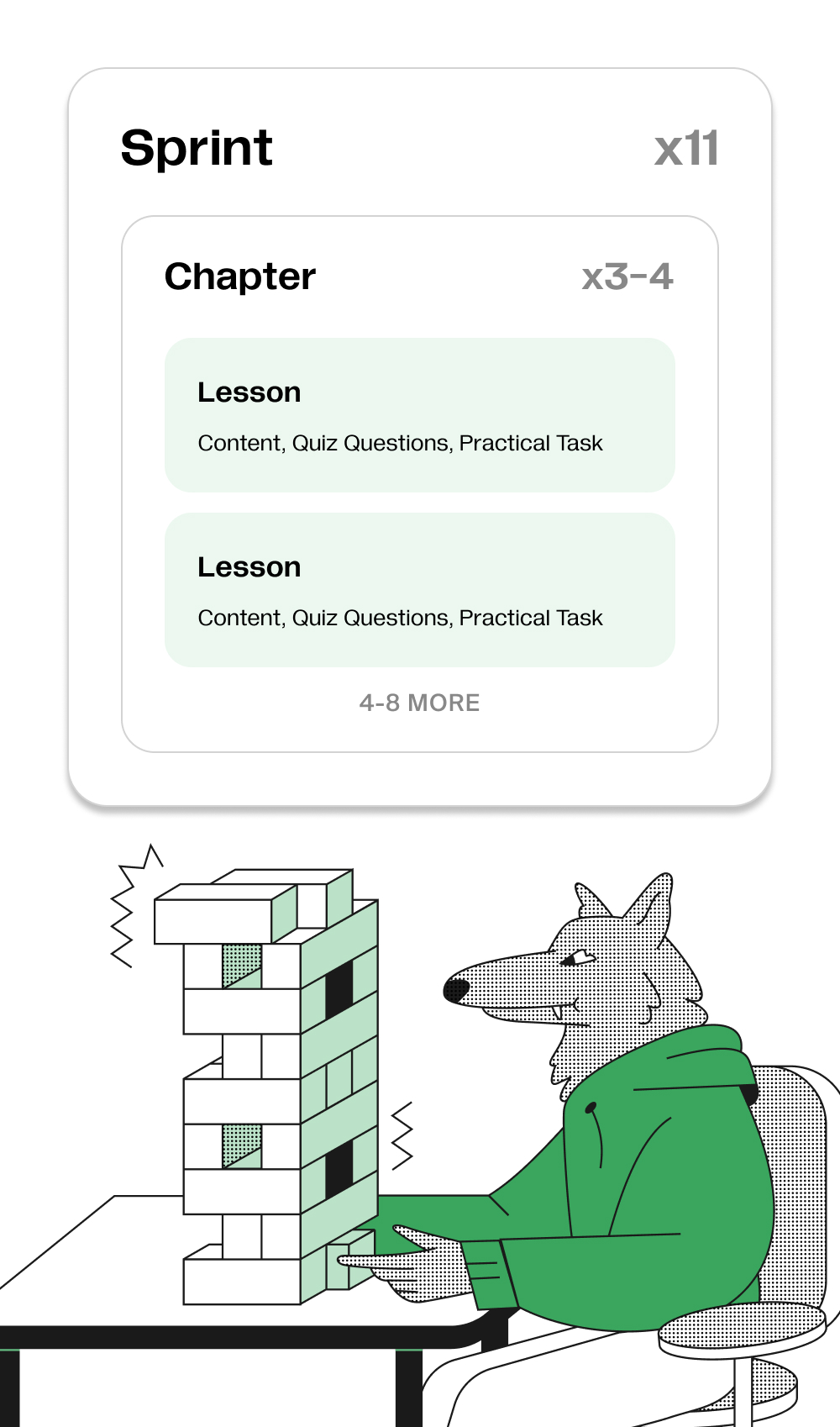
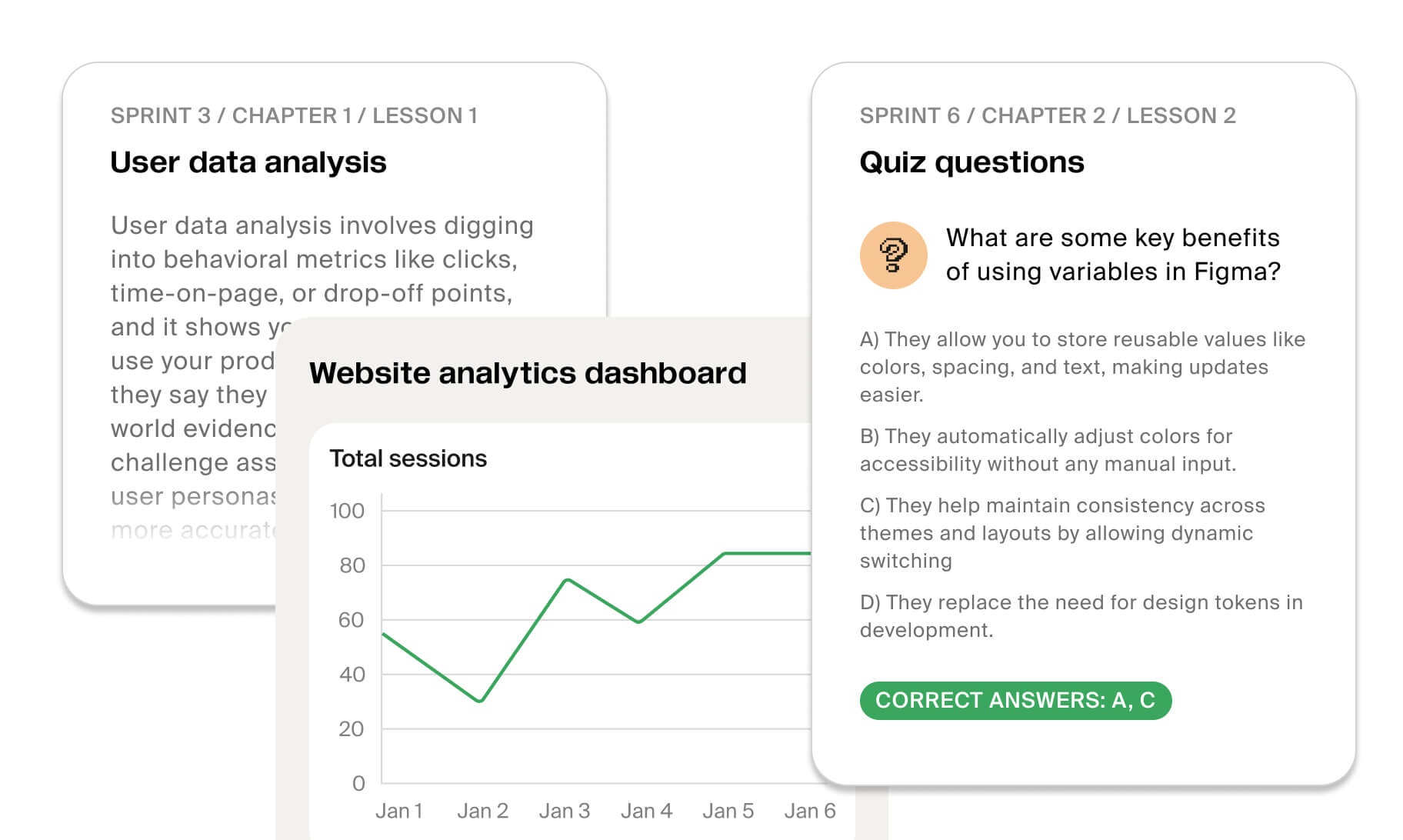
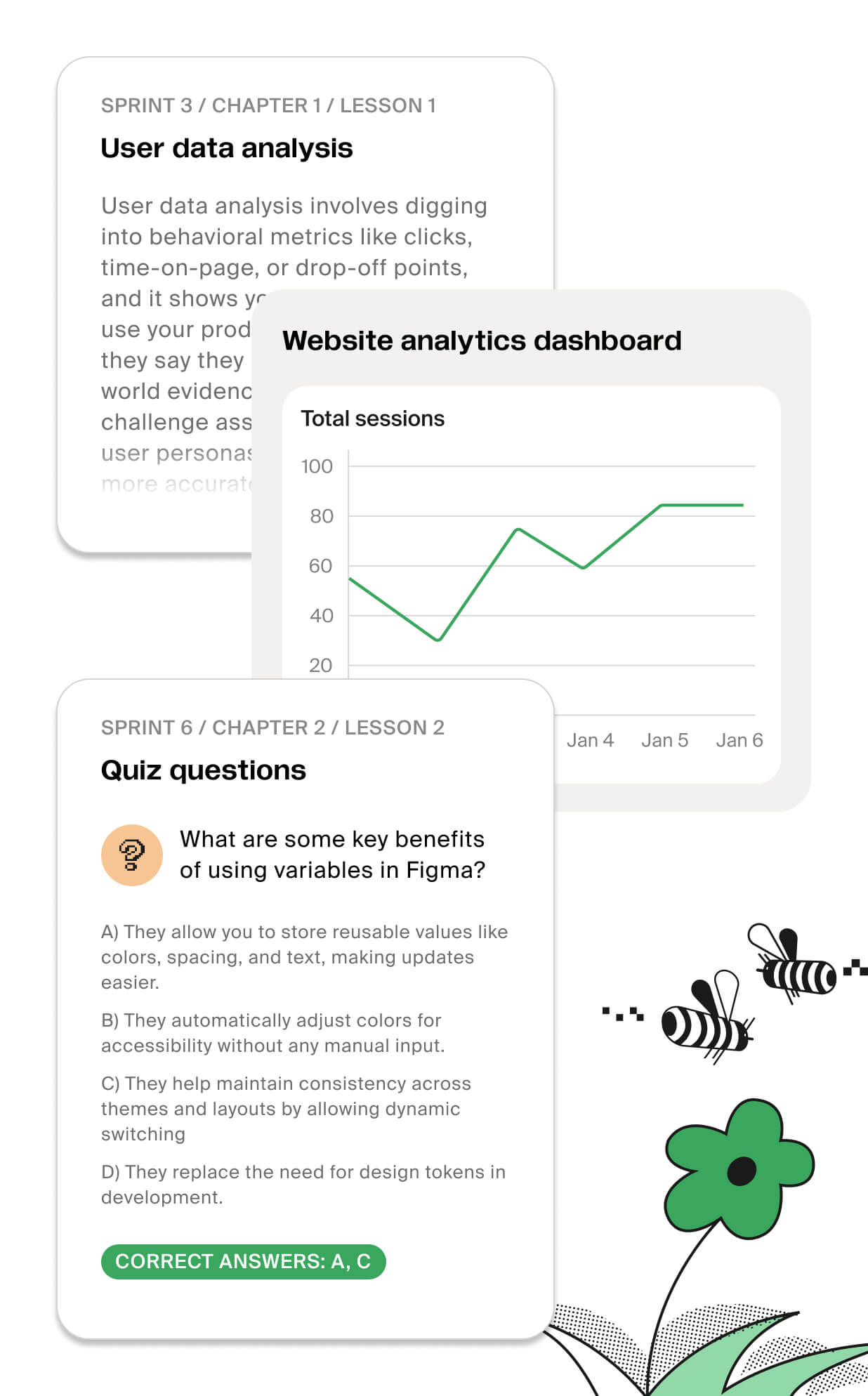
Each sprint I created included multiple chapters, and each chapter was built from 6–10 lessons with a consistent, digestible format. I focused on a clean flow: Introduce → Explain → Apply → Practice → Assess.
The curriculum taught beginners how to think like designers from day one—no fluff, no vague theory. Every page had a clear goal, and every skill was grounded in real-world practice. We also wove in optional projects, references, cheat sheets, and scenario-based quizzes to keep students engaged.
Designing the Curriculum
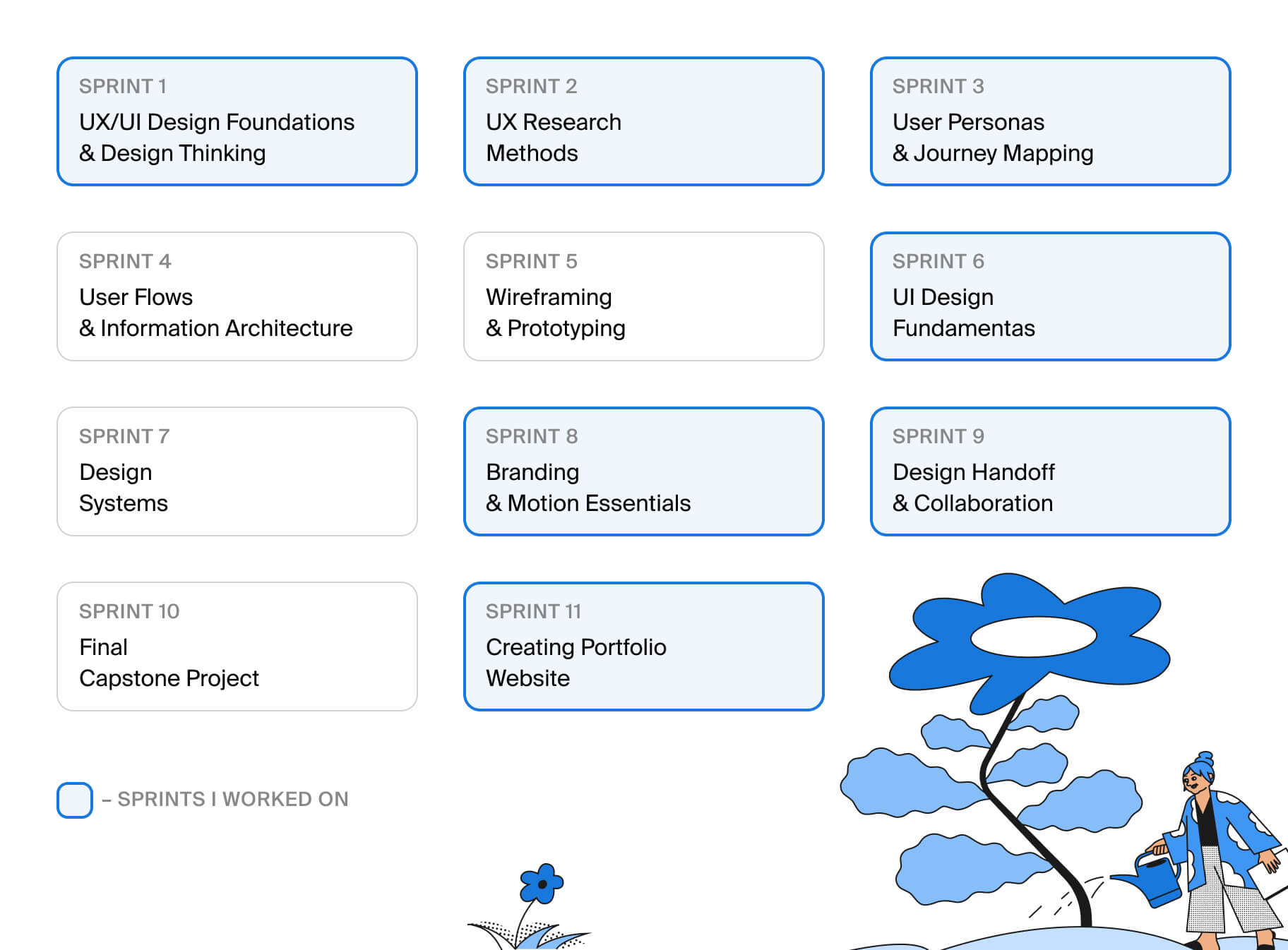
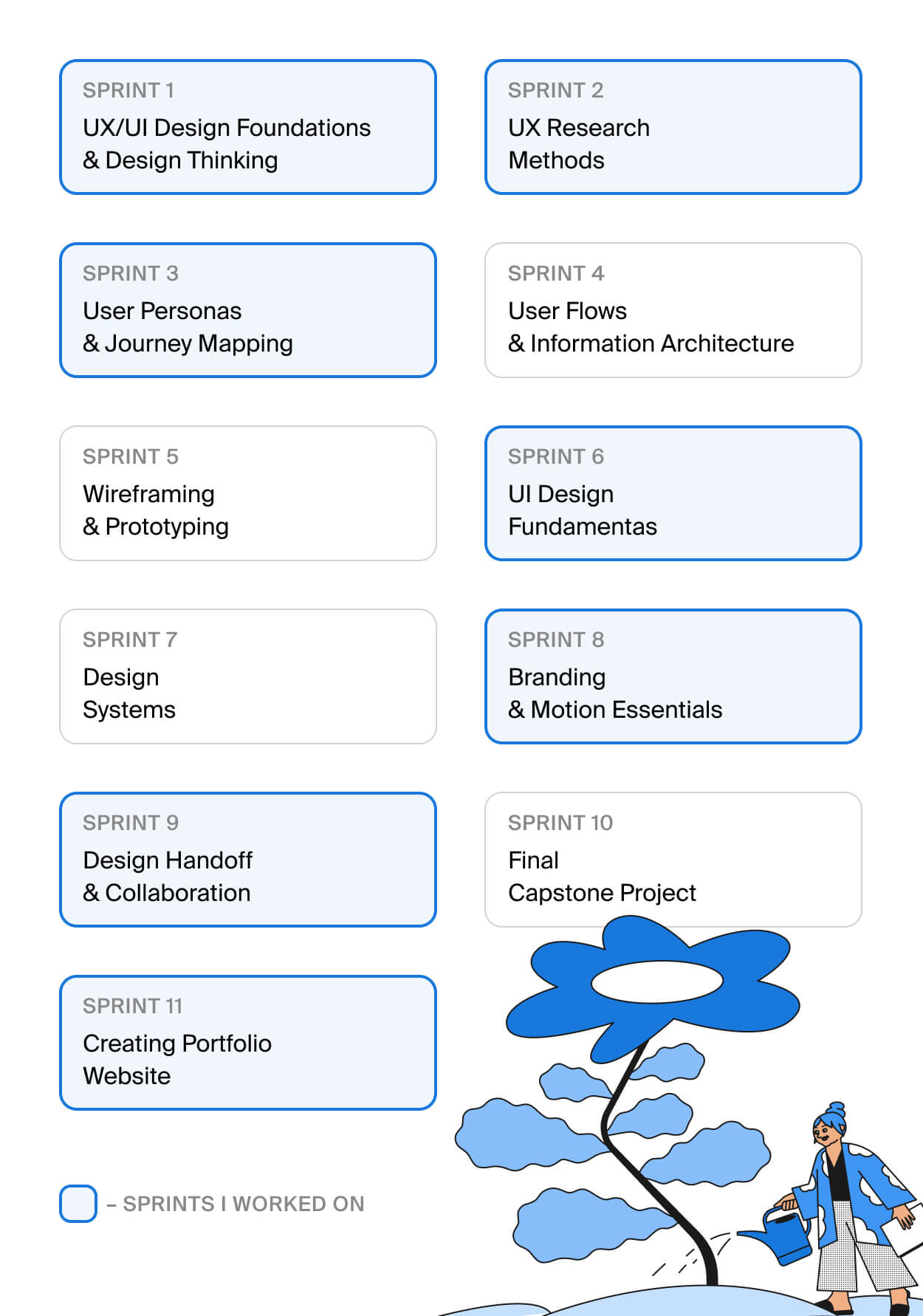
I helped shape the entire learning system—structuring how students move from foundational concepts to hands-on execution. Our team of divided the full 11-sprint program, and I was responsible for the majority of it. I carefully planned how each sprint would build on the last, introducing tools and terminology at just the right time to keep the learning curve clear and motivating.
Creating the Content
I wrote dozens of long-form lessons and supported every one with visuals, walkthroughs, and assessments. I created diagrams, sourced or mocked up UI examples, and explained every concept like I was talking to someone brand new to design—because I was. I also wrote interactive quizzes with real-world scenarios, visual references and “Quick Start” guides, end-of-sprint projects designed for portfolio use, and step-by-step activities in Figma and FigJam.
Building with Empathy
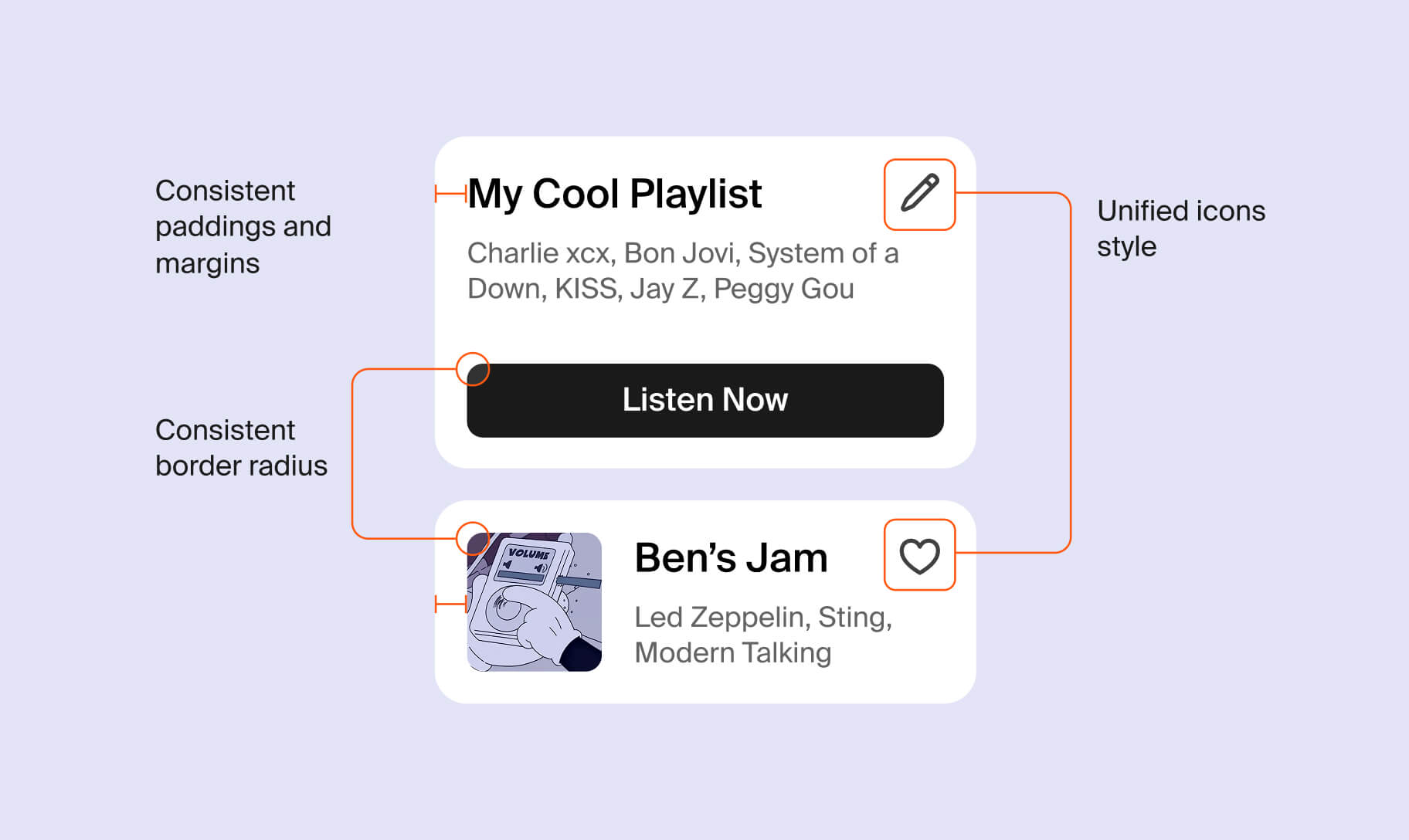
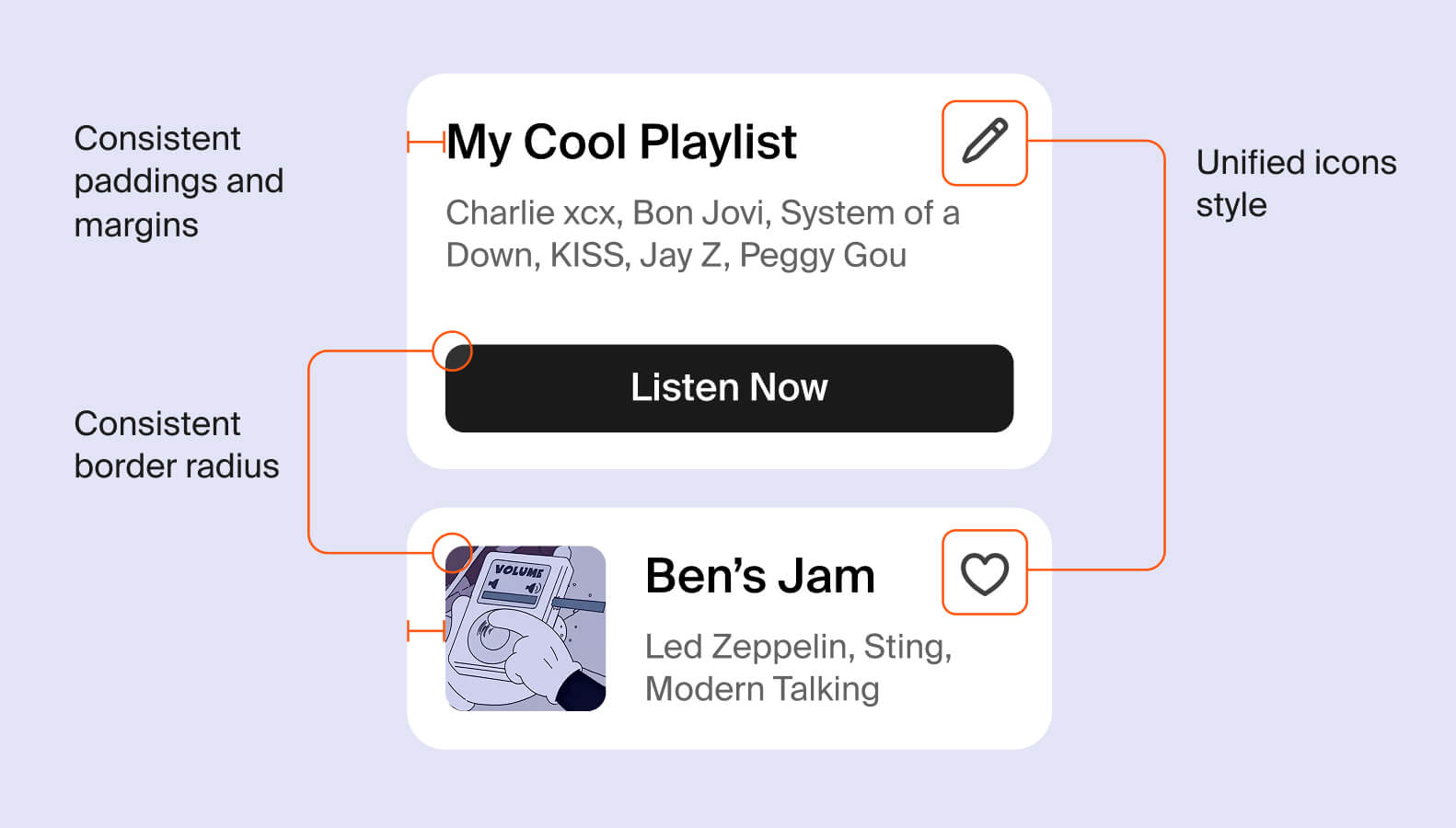
At every step, I wrote with empathy—explaining things in plain language, showing what to do (and what to avoid), and structuring content so that learners could follow without feeling overwhelmed. I kept thinking: If my mom opened this, would she know what to do? Design is about clarity, and that extended to how I wrote, structured, and visualized every part of this curriculum. I treated education like UX: user needs first, unnecessary complexity out.

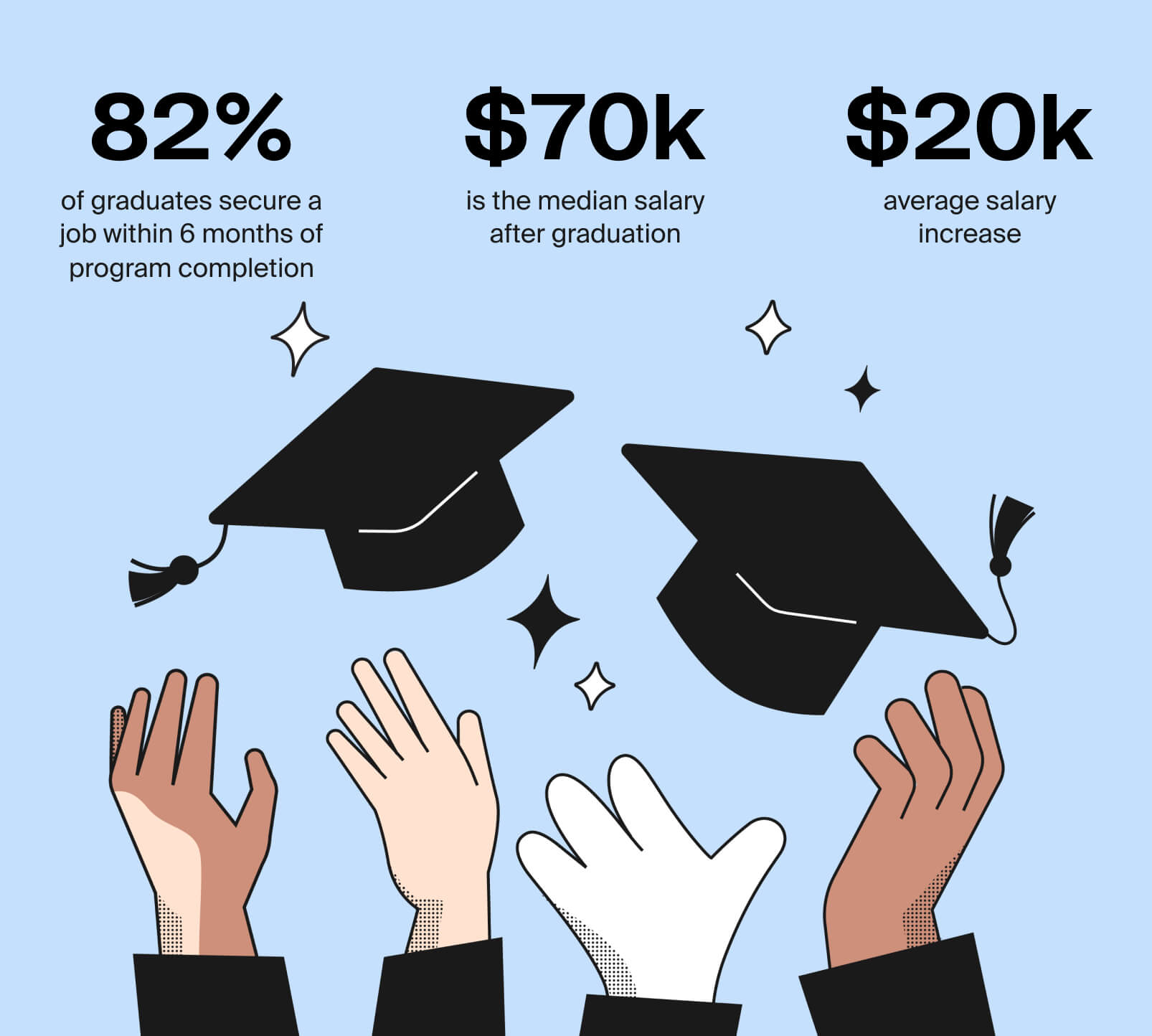
TripleTen Numbers
The UI/UX curriculum I helped create is now live and supporting thousands of learners worldwide. According to TripleTen’s 2025 Outcomes Report, 82% of graduates secure tech jobs within six months of completing their program. This includes students from non-traditional backgrounds—only 20% had prior STEM experience. Graduates have landed roles at companies like Spotify, Zencare, and Neurogazer, often transitioning from industries such as hospitality, education, and retail. The curriculum is designed to be accessible and effective, contributing to these successful career changes.